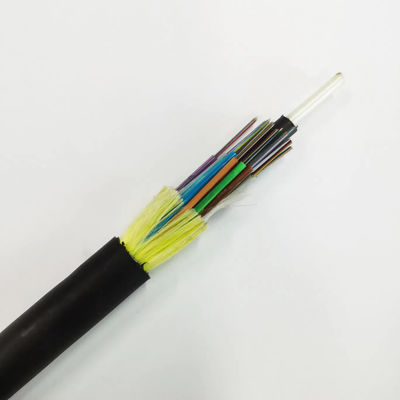
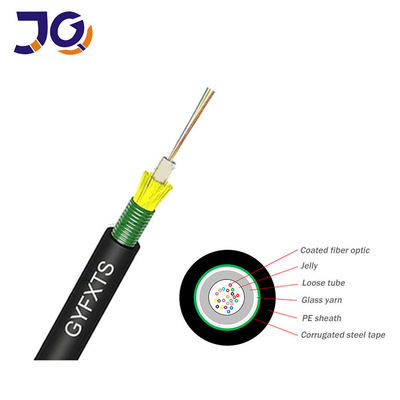
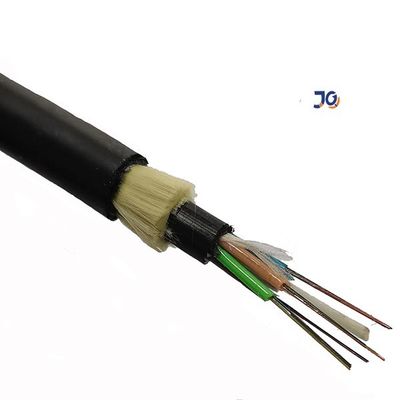
Cáp Chống Sét Quang OPGW cho Truyền Tải Điện và Viễn Thông
Giới thiệu sản phẩm:
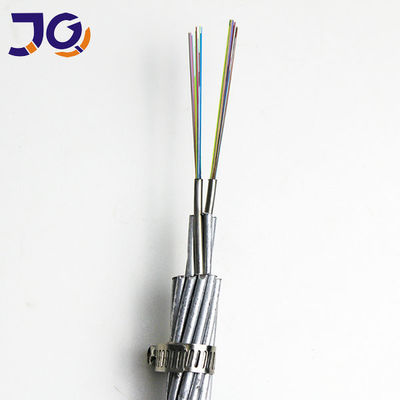
OPGW là loại cáp chống sét có tích hợp sợi quang cho đường dây điện trên không, kết hợp chức năng nối đất, chống sét và truyền thông tốc độ cao trong một sợi cáp duy nhất.
Các tính năng chính:
-
Bảo vệ mạnh mẽ với ống thép không gỉ chống thấm nước
-
Độ bền kéo cao cho môi trường khắc nghiệt
-
Hiệu suất điện ổn định
-
Lắp đặt và thay thế dễ dàng
-
Chức năng kép cho điện lực và viễn thông
Ứng dụng:
-
Đường dây truyền tải điện
-
Trạm biến áp
-
Mạng lưới điện thông minh
-
Hệ thống viễn thông tiện ích

Tổng quan về cáp OPGW
Chức năng chính
Cáp OPGW chủ yếu được ứng dụng trong các hệ thống viễn thông điện lực, hoạt động cùng với các phụ kiện cho bảo vệ rơ-le, điều khiển tự động và truyền dữ liệu. Chúng được lắp đặt dọc theo các đường dây điện cao áp, kết hợp chức năng truyền thông quang và nối đất.
Cấu trúc
Cáp Chống Sét Quang Sợi (OPGW) được sản xuất với hai hoặc ba lớp dây thép bọc nhôm (ACS), hoặc kết hợp dây thép bọc nhôm và dây hợp kim nhôm. Thiết kế này được tối ưu hóa để đáp ứng các yêu cầu cấu trúc và cơ khí phổ biến của đường dây truyền tải điện.
Thông số sợi quang
-
Các loại sợi quang tùy chọn: G652D, G655C, G657A1, 50/125, 62.5/125, OM3, OM4
-
Số lượng sợi quang: Lên đến 96 lõi
Phạm vi điện & ứng dụng
-
Phù hợp cho đường dây điện có cấp điện áp 110KV trở xuống
-
Được ứng dụng rộng rãi trong các đường dây truyền tải trên không mới
-
Có khả năng mang số lượng lớn sợi quang cho hệ thống UHV (Điện áp siêu cao)
-
Cung cấp khả năng bảo vệ chống sét và dẫn dòng lỗi ngắn mạch an toàn
Thiết kế điển hình
Cấu trúc ống thép không gỉ bọc nhôm trung tâm, đảm bảo bảo vệ sợi quang tuyệt vời, độ bền cơ học và độ tin cậy lâu dài.
Thông số
OPGW với ống nhôm PBT
| Thông số kỹ thuật |
Số lượng sợi quang |
Đường kính (mm) |
Trọng lượng (kg/km) |
RTS (KN) |
Ngắn mạch (KA2s) |
| |
|
|
|
|
|
| OPGW-113(87.9;176.9) |
48 |
14.8 |
600 |
87.9 |
176.9 |
| OPGW-70(81; 41) |
24 |
12 |
500 |
81 |
41 |
| OPGW-66(79;36) |
36 |
11.8 |
484 |
79 |
36 |
| OPGW-77(72;36) |
36 |
12.7 |
503 |
72 |
67 |
Thiết kế điển hình của cáp OPGW ống thép không gỉ xoắn
Thiết kế điển hình cho lớp kép:
| Thông số kỹ thuật |
Số lượng sợi quang |
Đường kính (mm) |
Trọng lượng (kg/km) |
RTS (KN) |
Ngắn mạch (KA2s) |
| OPGW-89[55.4;62.9] |
24 |
12.6 |
381 |
55.4 |
62.9 |
| OPGW-110[90.0;86.9] |
24 |
14 |
600 |
90 |
86.9 |
| OPGW-104[64.6;85.6] |
28 |
13.6 |
441 |
64.6 |
85.6 |
| OPGW-127[79.0;129.5] |
36 |
15 |
537 |
79 |
129.5 |
| OPGW-137[85.0;148.5] |
36 |
15.6 |
575 |
85 |
148.5 |
| OPGW-145[98.6;162.3] |
48 |
16 |
719 |
98.6 |
162.3 |
Thiết kế điển hình cho lớp ba:
| Thông số kỹ thuật |
Số lượng sợi quang |
Đường kính (mm) |
Trọng lượng (kg/km) |
RTS (KN) |
Ngắn mạch (KA2s) |
| OPGW-232[343.0;191.4] |
28 |
20.15 |
1696 |
343 |
191.4 |
| OPGW-254[116.5;554.6] |
36 |
21 |
889 |
116.5 |
554.6 |
| OPGW-347[366.9;687.7] |
48 |
24.7 |
2157 |
366.9 |
687.7 |
| OPGW-282[358.7;372.1] |
96 |
22.5 |
1938 |
358.7 |
372.1 |
Thiết kế điển hình của cáp OPGW ống thép không gỉ bọc nhôm trung tâm
Thiết kế điển hình cho lớp đơn
| Thông số kỹ thuật |
Số lượng sợi quang |
Đường kính (mm) |
Trọng lượng (kg/km) |
RTS (KN) |
Ngắn mạch (KA2s) |
| OPGW-80(82.3;46.8) |
24 |
11.9 |
504 |
82.3 |
46.8 |
| OPGW-70(54.0;8.4) |
24 |
11 |
432 |
70.1 |
33.9 |
| OPGW-80(84.6;46.7) |
48 |
12.1 |
514 |
84.6 |
46.7 |
Thiết kế điển hình cho lớp kép
| Thông số kỹ thuật |
Số lượng sợi quang |
Đường kính (mm) |
Trọng lượng (kg/km) |
RTS (KN) |
Ngắn mạch (KA2s) |
| OPGW-143(87.9;176.9) |
36 |
15.9 |
617 |
87.9 |
176.9 |
Thiết kế điển hình của cáp OPGW ống lỏng thép không gỉ trung tâm
Thiết kế điển hình cho lớp đơn:
| Thông số kỹ thuật |
Số lượng sợi quang |
Đường kính (mm) |
Trọng lượng (kg/km) |
RTS (KN) |
Ngắn mạch (KA2s) |
| OPGW-32(40.6;4.7) |
12 |
7.8 |
243 |
40.6 |
4.7 |
| OPGW-42(54.0;8.4) |
24 |
9 |
313 |
54 |
8.4 |
| OPGW-42(43.5;10.6) |
24 |
9 |
284 |
43.5 |
10.6 |
| OPGW-54(55.9;17.5) |
36 |
10.2 |
394 |
67.8 |
13.9 |
| OPGW-61(73.7;175) |
48 |
10.8 |
438 |
73.7 |
17.5 |
| OPGW-61(55.1;24.5) |
48 |
10.8 |
358 |
55.1 |
24.5 |
| OPGW-68(80.8;21.7) |
54 |
11.4 |
485 |
80.8 |
21.7 |
| OPGW-75(54.5;41.7) |
60 |
12 |
459 |
63 |
36.3 |
| OPGW-76(54.5;41.7) |
60 |
12 |
385 |
54.5 |
41.7 |
Thiết kế điển hình cho lớp kép:
| Thông số kỹ thuật |
Số lượng sợi quang |
Đường kính (mm) |
Trọng lượng (kg/km) |
RTS (KN) |
Ngắn mạch (KA2s) |
| OPGW-96(121.7;42.2) |
12 |
13 |
671 |
121.7 |
42.2 |
| OPGW-127(141.0;87.9) |
24 |
15 |
825 |
141 |
87.9 |
| OPGW-127(77.8;128.0) |
24 |
15 |
547 |
77.8 |
128 |
| OPGW-145(121.0;132.2) |
28 |
16 |
857 |
121 |
132.2 |
| OPGW-163(138.2;183.6) |
36 |
17 |
910 |
138.2 |
186.3 |
| OPGW-163(99.9;213.7) |
36 |
17 |
694 |
99.9 |
213.7 |
| OPGW-183(109.7;268.7) |
48 |
18 |
775 |
109.7 |
268.7 |
| OPGW-183(118.4;261.6) |
48 |
18 |
895 |
118.4 |
261.6 |
Câu hỏi thường gặp về cáp OPGW
Q1: Cáp OPGW là gì?
A: OPGW là cáp chống sét có tích hợp sợi quang cho đường dây điện, kết hợp chức năng bảo vệ và viễn thông.
Q2: Lợi ích chính của nó là gì?
A: Nó cung cấp chức năng nối đất, chống sét và truyền dữ liệu trong một sợi cáp duy nhất.
Q3: Nó có thể thay thế cáp chống sét hiện có không?
A: Có, OPGW có thể thay thế trực tiếp cáp chống sét truyền thống.
Q4: Nó có bền cho sử dụng ngoài trời không?
A: Có, nó có độ bền cao và khả năng chống chịu thời tiết và ứng suất cơ học mạnh mẽ.
Q5: OPGW được sử dụng ở đâu?
A: Nó được sử dụng trong các đường dây truyền tải, trạm biến áp và hệ thống lưới điện thông minh.